A UNESCO World Heritage Capital
Willemstad earned its place on the UNESCO World Heritage List in 1997, and it is easy to see why. The historic center of the city is a remarkably intact example of colonial Dutch architecture adapted to the Caribbean tropics — rows of narrow townhouses painted in vivid yellows, blues, pinks, and terracottas line the waterfront of the Sint Annabaai channel. The legend goes that an early governor complained of migraines caused by the sun reflecting off white-washed walls, so the buildings were repainted in color. Whether or not the story is true, the result is one of the most photogenic skylines in the Caribbean.
The city is neatly divided by the channel into two historic districts — Punda on the east and Otrobanda on the west — connected by the swinging Queen Emma pontoon bridge. Beyond these two cores, the neighborhoods of Pietermaai and Scharloo have been revitalized in recent years, adding a modern creative layer to a centuries-old foundation.
Punda: The Historic Heart
Punda is Willemstad's original commercial center and the place most visitors see first. The Handelskade waterfront, with its row of gabled merchant houses, is the postcard image of Curaçao. Behind the waterfront, two main pedestrian shopping streets — Breedestraat and Heerenstraat — are lined with duty-free shops, jewelry stores, and small cafés.
Walk south from the Handelskade to reach the Floating Market, where Venezuelan traders moor small wooden boats loaded with tropical fruit, vegetables, fish, and spices. It has operated for decades and remains a genuinely local experience. A few blocks further, the Mikve Israel-Emanuel Synagogue stands as the oldest synagogue in continuous use in the Americas, consecrated in 1732. Its sand-covered floor — a tradition said to symbolize the Israelites' desert wanderings — is a striking sight.
Fort Amsterdam anchors the southern edge of Punda. Built in 1635, it now serves as the seat of the island's governor and houses the Fort Church, one of the oldest Protestant churches in the Western Hemisphere. You can walk freely through the courtyard during the day.
Local tip: Visit the Floating Market in the morning for the freshest selection. By mid-afternoon many vendors have sold out and headed back across the water.
Otrobanda: The Other Side

Cross the Queen Emma pontoon bridge — a floating walkway that swings open on its hinges whenever a cargo ship needs to pass — and you step into Otrobanda, literally "the other side." This neighborhood has a grittier, more local atmosphere than polished Punda, and that is part of its charm. The streets are quieter, the murals bolder, and the food stalls cheaper.
The anchor attraction here is the Kura Hulanda Museum, set in the restored courtyard where enslaved Africans were once held before being sold across the Americas. The museum traces the transatlantic slave trade and the African diaspora in the Caribbean through a powerful collection of artifacts, maps, and personal accounts. It is an essential stop for understanding the full story of the island.
Otrobanda is also where you will find the Renaissance Mall and Rif Fort, a converted 19th-century fortress that now houses restaurants, bars, and boutique shops overlooking the harbor mouth. It is a great spot for sunset drinks.
Pietermaai: The Trendy District
If Punda is the historic heart and Otrobanda is the soul, Pietermaai is the nightlife pulse. This once-neglected neighborhood east of Punda has undergone a remarkable transformation over the past decade. Crumbling 18th-century merchant mansions have been meticulously restored and converted into boutique hotels, cocktail bars, and restaurants, while blank walls have become canvases for large-scale street art.
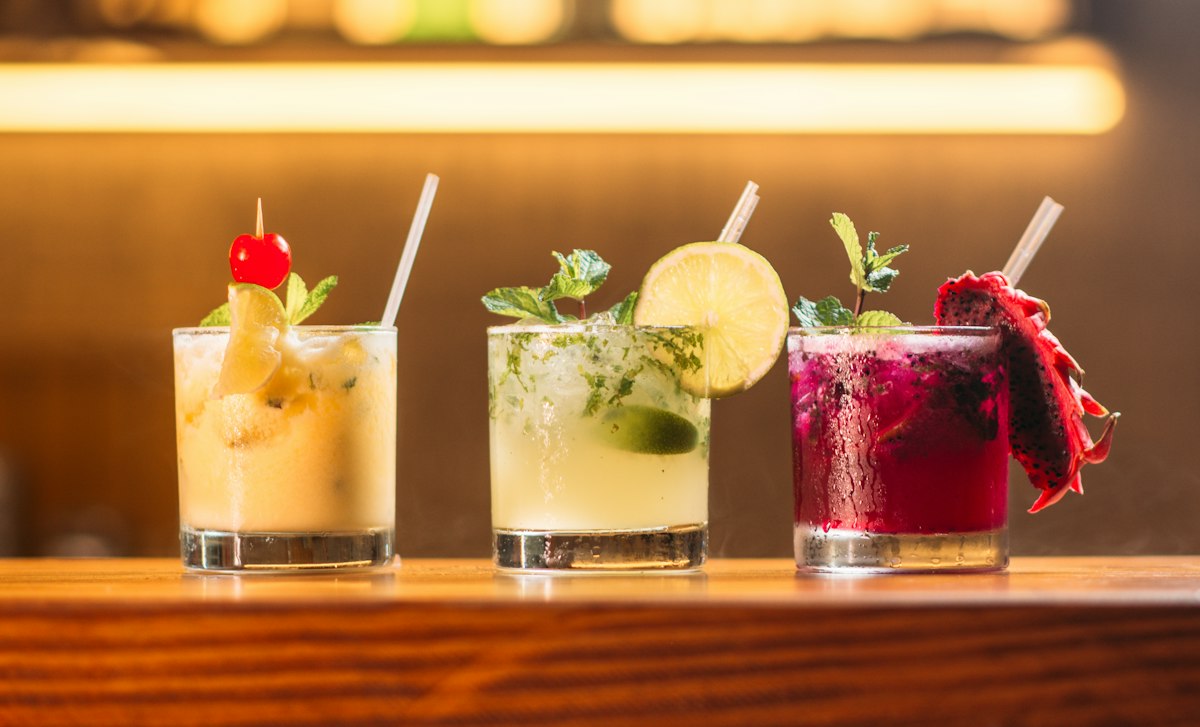
After dark, Pietermaai comes alive. Mundo Bizarro serves creative cocktails in a lush courtyard, Miles Jazz Café hosts live acts most nights of the week, and Saint Tropez Ocean Club offers drinks by the water. During the day, the same streets are perfect for a quiet wander — admire the ornate ironwork balconies, pop into a gallery, or grab a coffee at one of the small roasteries that have set up shop in colonial doorways.
Local tip: Book a hotel in Pietermaai if you want to walk to nightlife. The district is compact enough to explore entirely on foot, and you will avoid the need for late-night taxis.
Scharloo: Street Art and Revival
North of Punda across the Waaigat inlet, Scharloo is Willemstad's up-and-coming creative quarter. In the 19th century it was home to wealthy Jewish merchants whose ornate villas still line the main road, though many fell into disrepair during the 20th century. A wave of restoration projects and street-art festivals has started to turn things around.
Today you can walk through Scharloo and spot large-scale murals by Caribbean and international artists painted across entire building facades. The contrast between faded grandeur and fresh paint makes for some of the most interesting photography in the city. A handful of galleries and studios have opened, and small cafés are beginning to follow. It is still early days, but Scharloo feels like the next Pietermaai in the making.
The Queen Emma Bridge: An Icon on Pontoons
No visit to Willemstad is complete without crossing the Queen Emma Bridge — and, ideally, watching it open. The bridge floats on sixteen pontoons and connects Punda to Otrobanda at the narrowest point of Sint Annabaai. When a ship needs to pass, the entire structure swings aside like a giant door, and pedestrians wait on either bank for a few minutes until it returns. A free ferry shuttles people across while the bridge is open.
The bridge is free to cross at any time of day or night, and it is one of the best vantage points for photographing both the Handelskade and the harbor entrance. In the evening the waterfront buildings are lit up and the reflections in the still channel are spectacular. Walk across at least once during the day and once after dark — they are completely different experiences.
Local tip: The bridge opens frequently during the day for ships. If you are in a hurry, use the free ferry that runs when the bridge is open — the dock is right next to the bridge on both sides.