Why Curaçao Is a World-Class Diving Destination
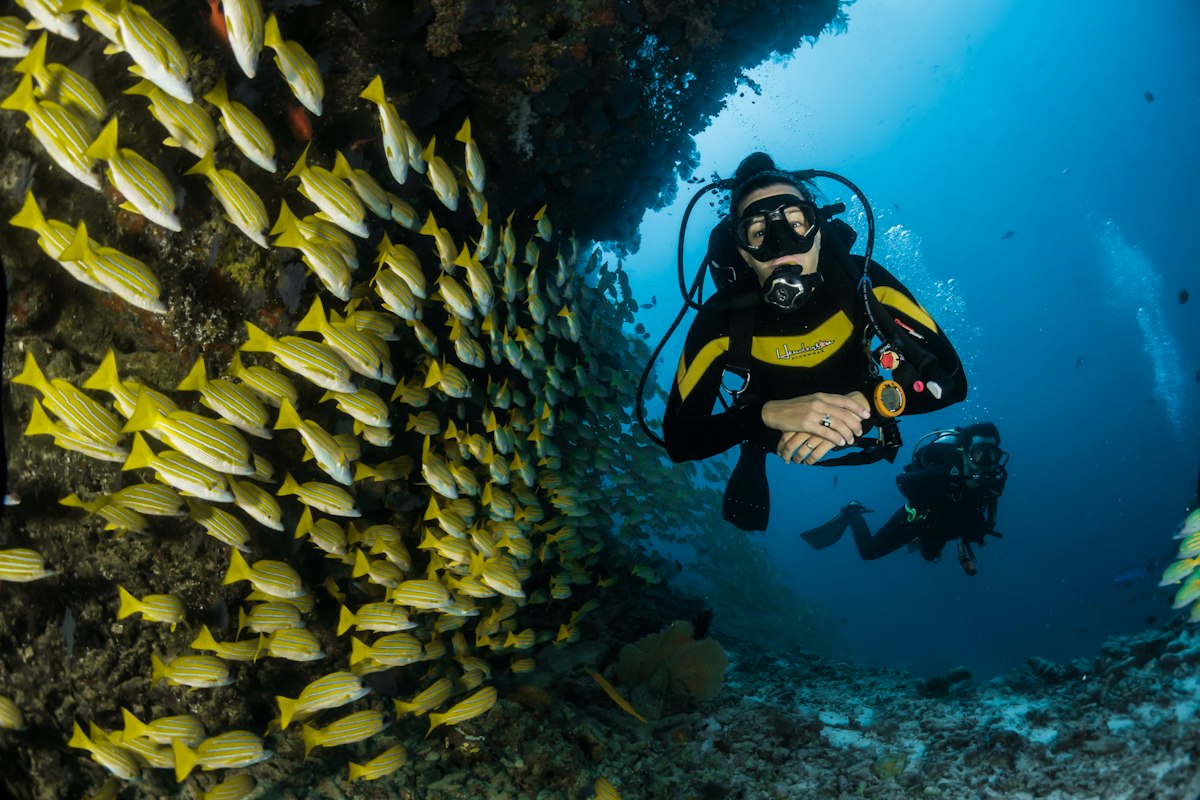
Curaçao consistently ranks among the best shore-diving destinations in the Caribbean, and for good reason. The island sits outside the hurricane belt, which means healthy, undamaged reefs and year-round diving conditions. Water temperatures hover between 26 and 28 °C (79–82 °F) throughout the year, and visibility regularly reaches 20 to 30 meters (60–100 feet).
What makes Curaçao truly special is the accessibility of its reefs. Unlike many Caribbean islands where you need a boat to reach quality dive sites, Curaçao's fringing reef runs along the entire leeward coast, often starting just 10 to 30 meters from shore. You can literally walk off the beach, swim a short distance, and find yourself floating above a vibrant wall of coral teeming with life. This ease of access keeps costs down and lets you dive on your own schedule.
The island boasts more than 65 named dive sites, ranging from gentle coral gardens perfect for beginners to deep walls, swim-throughs, and historic shipwrecks that challenge even experienced divers. Whether you are earning your first certification or logging your 500th dive, Curaçao delivers.
Famous Dive Sites You Shouldn't Miss
Mushroom Forest is arguably Curaçao's most iconic dive site. Located near the western tip of the island, it features enormous star coral formations that have eroded at their bases over millennia, creating mushroom-shaped pillars up to 3 meters tall. Swimming through this surreal underwater landscape feels like exploring another planet.
The Tugboat is one of the most photographed dive sites on the island. This small tugboat sits in only 5 meters of water near Spanish Water, making it perfect for snorkelers and beginner divers. The wreck is encrusted with colorful sponges and coral, and schools of fish swirl around it constantly.
For a more advanced wreck dive, the Superior Producer is hard to beat. This 50-meter cargo ship sank in 1977 and now rests at about 30 meters depth near the entrance to Willemstad harbor. The wreck is covered in orange cup coral and attracts large schools of fish, barracuda, and the occasional reef shark.
The Blue Room, near Westpunt, is a partially submerged cave where sunlight filters through the underwater entrance and creates an ethereal blue glow. You can snorkel into the cave when seas are calm, and the effect is breathtaking. Watamula, at the far northwest tip of the island, offers dramatic topography with deep walls, swim-throughs, and strong currents that attract pelagic fish.
- •Mushroom Forest — surreal coral pillars, unique to Curaçao
- •Tugboat — shallow wreck perfect for snorkelers and beginners
- •Superior Producer — deep wreck dive at 30 meters, advanced divers
- •Blue Room — snorkel-friendly cave with magical blue light
- •Watamula — deep walls, swim-throughs, and pelagic fish
Best Shore Diving and Snorkeling Beaches
Playa Kalki (also known as Alice in Wonderland) at the far western end of the island is consistently rated one of the best shore dives in Curaçao. Walk off the small beach and within minutes you are gliding over a pristine reef with sea fans, brain coral, and frequent turtle sightings. The reef wall drops off steeply, offering both shallow snorkeling and deeper diving opportunities.
Playa Porto Marie is a favorite for both divers and snorkelers. The beach has a double reef system — a shallow reef close to shore ideal for snorkeling, and a second, deeper reef further out. The site has excellent facilities including a dive shop, lockers, and a restaurant. Director's Bay, a former Shell Oil private beach near the refinery, has become one of the island's best snorkeling spots. The reef here is healthy and diverse, with sea horses occasionally spotted among the coral.
Cas Abao is another top choice. The beach itself is gorgeous — white sand framed by cliffs — and the reef starts within wading distance. You will find dense coral gardens, parrotfish, angelfish, and often a resident green turtle cruising the shallows. Entry fees at Cas Abao are around ANG 11 ($6) for the beach, with dive operators on site.
Local tip: For the best snorkeling visibility, go in the morning before afternoon winds pick up. Always wear reef-safe sunscreen to protect the coral.
Marine Life You Will Encounter

Curaçao's reefs support an extraordinary diversity of marine life. Green and hawksbill sea turtles are among the most common large animals you will see — many dive and snorkel sites have resident turtles that are remarkably tolerant of humans. At Playa Piskado, turtles come right up to the dock to feed on fish scraps, offering one of the easiest wildlife encounters in the Caribbean.
Reef sharks, mostly Caribbean reef sharks and nurse sharks, patrol the deeper walls, especially at sites like Watamula and the Superior Producer. They are not aggressive and sightings are a highlight for most divers. Spotted eagle rays glide over sandy patches, and southern stingrays can often be found resting on the bottom.
The smaller life is equally captivating. Seahorses cling to sea fans and gorgonians, though you need a keen eye to spot them. Octopuses are surprisingly common and fun to watch as they change color and texture. The reefs are alive with parrotfish, trumpetfish, moray eels, blue tangs, butterflyfish, French angelfish, and countless other species. Night dives reveal a completely different world — octopuses on the hunt, sleeping parrotfish in mucus cocoons, and bioluminescent plankton trailing behind your fins.
Dive Operators and Getting Certified
Curaçao has a well-established network of professional dive operators. Ocean Encounters, based at the LionsDive Beach Resort near Mambo Beach, is one of the largest and most respected operations on the island. They run shore dives, boat dives, and a full range of PADI courses. Go West Diving in Westpunt specializes in the spectacular western dive sites and is known for small group sizes and personalized service. Dive Curaçao operates from multiple locations and is a great option for guided shore dives at sites across the island.
If you have always wanted to get certified, Curaçao is an excellent place to do it. The calm, warm water and easy shore access make learning comfortable and enjoyable. A PADI Open Water Diver certification typically costs between $350 and $500 and takes three to four days. Many operators also offer Discover Scuba Diving experiences (around $100–150) for those who want to try it before committing to full certification.
Experienced divers can rent tanks and dive independently at most shore sites. Tank rentals typically run $10–15 per tank, making Curaçao one of the most affordable places to dive in the Caribbean once you have your own gear or rent a basic set.
Local tip: Book your certification course in advance during peak season (December–April). Many dive shops offer accommodation packages that can save you money.
Practical Tips for Diving and Snorkeling in Curaçao
The beauty of Curaçao diving is that conditions are excellent year-round. There is no bad time to visit, though the dry season from January to September offers the calmest seas and best visibility. Even during the rainy season (October–December), underwater visibility remains impressive by global standards.
Most dive and snorkel sites are on the sheltered leeward (south and west) coast. The windward north coast has rough seas and strong currents that are generally not suitable for recreational diving. Stick to the south side unless you are with an experienced operator who specifically runs north-coast trips.
Renting a car is highly recommended if you want to explore multiple dive and snorkel sites. Many of the best shore dives are spread along the western coast between Willemstad and Westpunt, a drive of about 45 minutes. Having your own wheels lets you hit different sites each day and dive on your own schedule.
Remember to stay hydrated — it is easy to get dehydrated in the tropical heat, which increases the risk of decompression sickness. Wait at least 18 to 24 hours after your last dive before flying home.
- •Best visibility: January–September (dry season), though conditions are good year-round
- •Water temperature: 26–28 °C (79–82 °F) all year
- •Dive on the leeward (south/west) coast for calm conditions
- •Rent a car to access the best shore diving sites along the west coast
- •Wait 18–24 hours after diving before flying