Outside the Hurricane Belt — Year-Round Sunshine
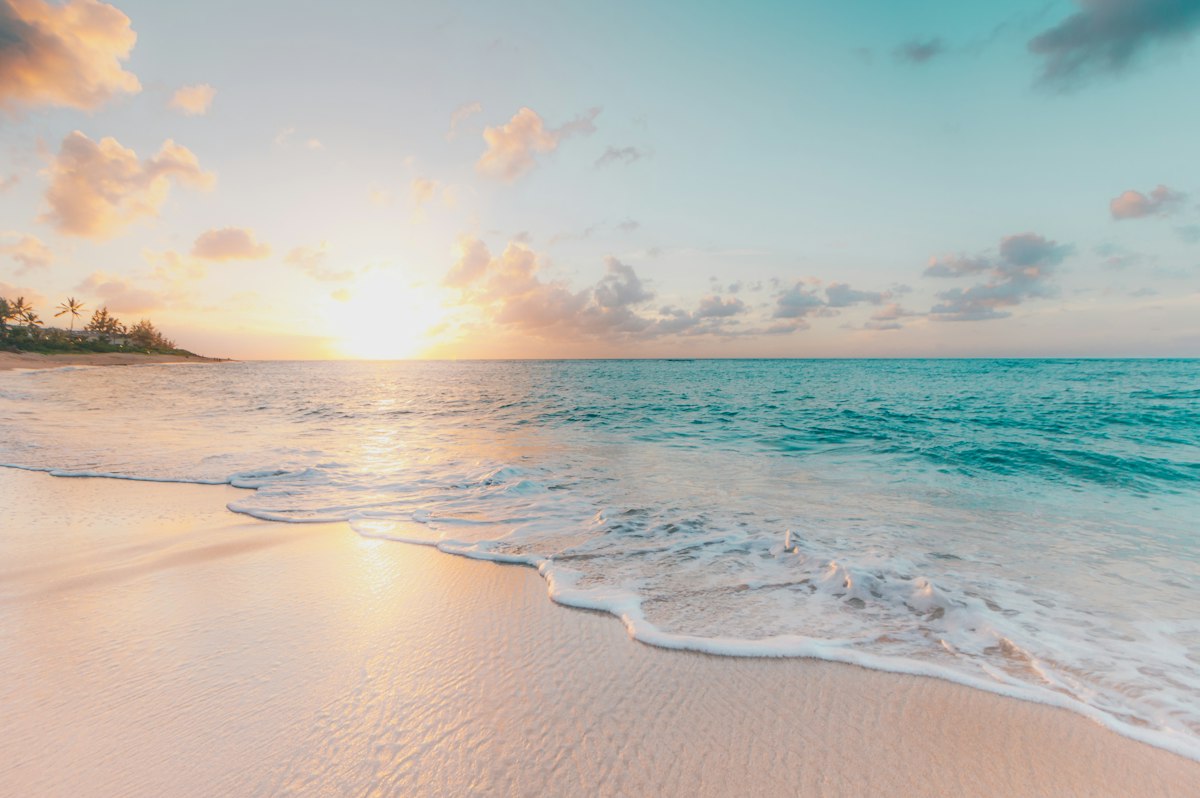
Here is the single most important weather fact about Curaçao: the island sits at roughly 12 degrees north of the equator, well south of the Caribbean hurricane belt. While islands further north brace for hurricane season from June through November, Curaçao is almost never affected. The last hurricane to make a direct hit was decades ago, and even tropical storms are rare. This makes Curaçao one of the safest bets in the Caribbean for year-round travel.
Average temperatures hover between 27 and 32 °C (81–90 °F) throughout the year, with remarkably little variation between seasons. Water temperatures stay at a bath-like 26–28 °C (79–82 °F) twelve months a year, which means snorkeling and diving conditions are consistently excellent. If steady warmth and reliable sunshine are what you are after, Curaçao delivers every month on the calendar.
Dry Season: January Through September
The dry season stretches from roughly January through September, with the driest months being February through May. During this period, rain is genuinely rare — you may not see a single drop during a week-long trip. Skies are bright blue, and the constant northeast trade winds keep temperatures comfortable even at midday. January through May tends to be the windiest period, which is fantastic for kitesurfing and windsurfing but can make some exposed northern beaches choppy.
This long dry season is the prime window for visiting, though it overlaps with peak tourist season in the first few months. The trade winds ease somewhat from June through September, making the air warmer and the seas calmer — ideal conditions for snorkeling the sheltered western beaches.
The Short Rainy Season: October Through December
Curaçao's "rainy" season runs from roughly October through December, but calling it rainy is generous. Showers are typically short and intense — a 20-minute downpour followed by clear skies — rather than the all-day gray you might expect. Monthly rainfall peaks at around 100 mm in November, which is modest by Caribbean standards. You will still get plenty of sunshine, and the brief rains actually green up the otherwise arid landscape, making the island look lusher than usual.
October and November are the quietest tourist months, which means lower hotel rates, empty beaches, and a more local feel. If you do not mind an occasional shower (and can appreciate a dramatic tropical cloud formation), these months offer arguably the best value on the island.
Local tip: Pack a light rain jacket or a small travel umbrella for the October–December period. Showers blow through fast, and you will be back in the sun within half an hour.
Peak Season vs. Value Season
Peak tourist season runs from December through April, driven by North American and European travelers escaping winter. Hotels and vacation rentals charge their highest rates, popular restaurants may require reservations, and beaches like Kleine Knip get noticeably busier on weekends. The weather during this window is excellent — dry, breezy, and warm — but you will pay a premium for it.
The value season runs roughly from May through November. Flights and accommodation drop significantly in price, yet the weather remains warm and largely dry (except for the mild rainy months of October and November). Beaches are quieter, dive sites less crowded, and you will have a more authentic, unhurried experience. For budget-conscious travelers who are flexible on dates, May through September is the sweet spot — full dry-season weather at shoulder-season prices.
- •Peak season (Dec–Apr): Best weather, highest prices, busiest beaches
- •Shoulder season (May–Sep): Dry weather, lower prices, fewer crowds
- •Value season (Oct–Nov): Short showers, lowest prices, quietest island
- •Carnival (Feb/Mar): Festive, lively, book accommodation early
Festivals and Events Worth Timing Your Trip Around
If you enjoy festivals, plan around Carnival in February or March. The weeks leading up to Lent bring tumba music competitions, costume parades, and street parties that overtake Willemstad. The Grand Parade on the Sunday before Ash Wednesday is the culmination — a massive procession of floats, dancers, and brass bands. Book accommodation well in advance, as the island fills up.
The Curaçao North Sea Jazz Festival, typically held in late August or September, draws internationally acclaimed artists and is one of the premier music events in the Caribbean. Past lineups have included Stevie Wonder, Alicia Keys, and Andrea Bocelli. Dia di Bandera (Flag Day) on July 2 brings local celebrations, music, and food festivals island-wide. And if you are a diver, keep an eye out for the Curaçao Dive Festival, which occasionally offers special access and events at the island's best dive sites.