About Christoffel National Park
Christoffel National Park covers roughly 1,800 hectares at the northwestern tip of Curaçao, making it the largest protected area on the island. The park was established in 1978 to preserve the island's native flora, fauna, and geological heritage. At its heart stands Mount Christoffel, rising 375 meters (1,230 feet) above sea level — the highest point on Curaçao.
The landscape here is strikingly different from the beaches and resort areas most visitors see. Rugged hills covered in cactus, divi-divi trees, and dry tropical vegetation give way to rocky limestone outcrops and hidden valleys. The park is home to the endangered Curaçao white-tailed deer, one of the rarest deer species in the Americas, along with iguanas, numerous bird species, and rare orchids that bloom after the rains.
This is one of the few places on the island where you can truly escape the crowds and experience the raw, untouched side of Curaçao. It is well worth the early morning start.
The Mount Christoffel Summit Trail
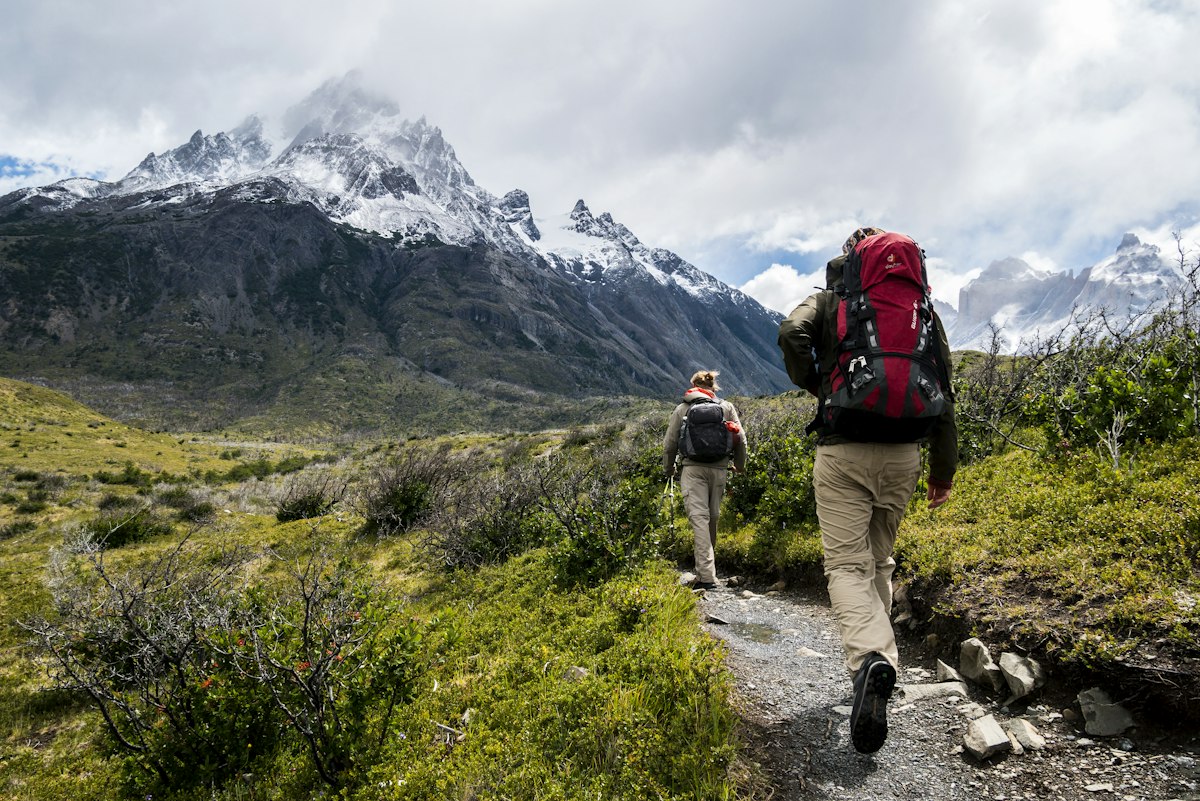
The summit trail is the main attraction and the reason most people visit the park. The hike to the top of Mount Christoffel takes roughly 1.5 to 2.5 hours one way, depending on your fitness level and how many stops you make. The trail is about 3.5 kilometers to the summit and is rated moderate to challenging — the final section involves scrambling over large boulders and exposed rock.
The park gates open at around 6:00 AM, and the rangers strongly recommend starting as early as possible. Temperatures climb quickly after sunrise, and by mid-morning the exposed rocky trail becomes punishingly hot. Most experienced hikers aim to be on the trail by 6:15 and reach the summit before 8:30 AM. The last entry for the summit trail is typically around 10:00 AM to ensure hikers can return before the worst heat of the day.
The reward at the top is spectacular. On clear days, you can see the entire island stretching out below you, the turquoise sea on both sides, and even Klein Curaçao to the southeast and Bonaire to the east. It is the single best panoramic viewpoint on the island and well worth the effort.
Local tip: Start at 6 AM sharp. Bring at least 2 liters of water per person, wear sturdy shoes with good grip (not sandals), and apply sunscreen before you start. There is no shade on the upper sections.
Other Trails and the Driving Route
If the summit hike feels too ambitious, the park offers several shorter and easier alternatives. The Zorgvlied trail winds through the lower hills and takes about an hour, passing through areas where you are likely to spot iguanas and native birds. The Zevenbergen trail is a moderate loop that offers good views without the steep scramble of the summit route.
There is also a driving route that loops through the park, passing interpretive signs about the geology, flora, and history of the area. This route takes about 45 minutes by car and is a good option for families with young children or anyone who wants to experience the park without a strenuous hike. Several short walking paths branch off from the driving route, letting you stretch your legs at scenic viewpoints.
The park's visitor center near the entrance has informative displays about the island's natural history, the Curaçao white-tailed deer conservation program, and the geological forces that shaped this landscape over millions of years.
Wildlife and Nature
The Curaçao white-tailed deer is the star of the park's wildlife. This small subspecies is native to the island and was once nearly extinct due to hunting. Thanks to conservation efforts within the park, the population has recovered, though sightings are still relatively rare. Your best chance is early morning on one of the quieter trails.
Birdwatchers will find plenty to look for. The park is home to the Curaçao barn owl, troupials (the island's national bird with its striking orange and black plumage), bananaquits, and various hummingbird species. During migration seasons, warblers and other North American species pass through as well.
The vegetation is fascinating in its own right. Towering columnar cacti, thorny acacia bushes, and the wind-sculpted divi-divi trees define the arid landscape. After rains, the hills briefly turn green and rare orchids bloom among the rocks — a transformation that surprises many visitors who expect only desert-like conditions.
Practical Information
Christoffel National Park is located at the far northwestern end of the island, about a 45-minute drive from Willemstad. The entrance fee is approximately ANG 15–20 (around $8–11 USD) per person. The park is open daily, though hours vary — generally from around 6:00 AM to closing in the early afternoon. Check current hours before you go, as they can change seasonally.
There is a small shop at the visitor center where you can buy water and snacks, but selection is limited. Pack your own supplies, especially water. The park does not have a restaurant, so plan to eat before or after your visit. Restroom facilities are available at the entrance area.
Combining Christoffel with a visit to nearby Shete Boka National Park makes for an excellent full day of nature exploration on the west side of the island. Shete Boka is just a short drive from Christoffel's entrance, and together they showcase the dramatic contrast between Curaçao's mountainous interior and its wild, wave-battered north coast.
- •Entry fee: approximately ANG 15–20 ($8–11 USD)
- •Park opens around 6:00 AM — arrive early to beat the heat
- •Summit hike: 1.5–2.5 hours up, moderate to challenging
- •Bring at least 2 liters of water per person
- •Wear sturdy closed-toe shoes with good grip
- •About 45 minutes by car from Willemstad